
Accessibility and Practical Information
Parking locations, restroom facilities, and trail conditions. We've got answers about rest stops and what to expect on the ground.
Planning Your Visit
You're going to want to know the practical details before you head out. It's not just about the history or the views — it's about making sure your day runs smoothly from start to finish. Whether you're wondering where to park, where the nearest restroom is, or what the terrain actually looks like underfoot, we've covered it all.
The trails around Jersika and the Daugava Bend are well-maintained, but they're not flat. Knowing what to expect means you can dress right, bring what you need, and pace yourself properly. Plus, understanding accessibility features helps everyone — not just those with mobility concerns.
Parking and Getting Started
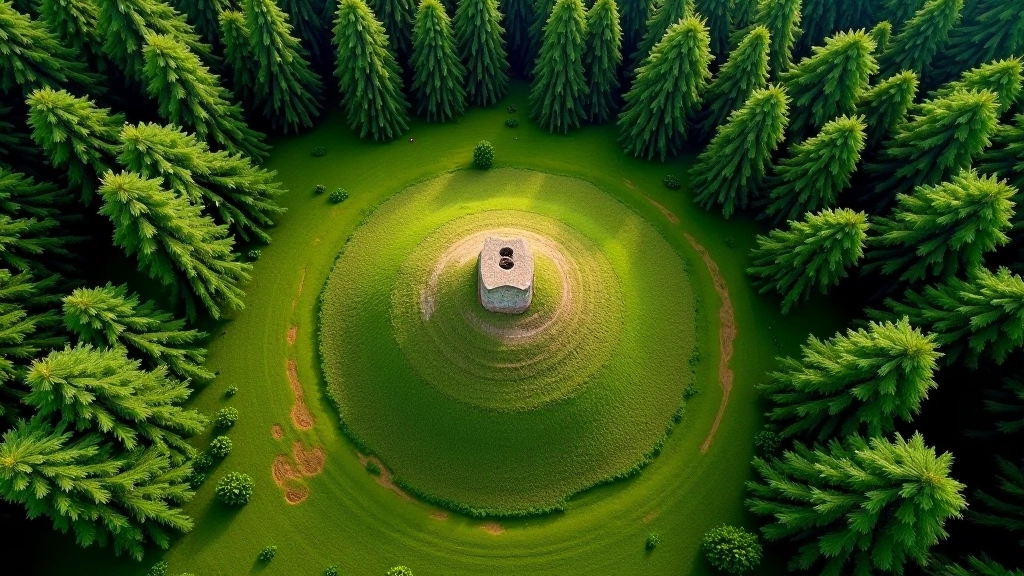
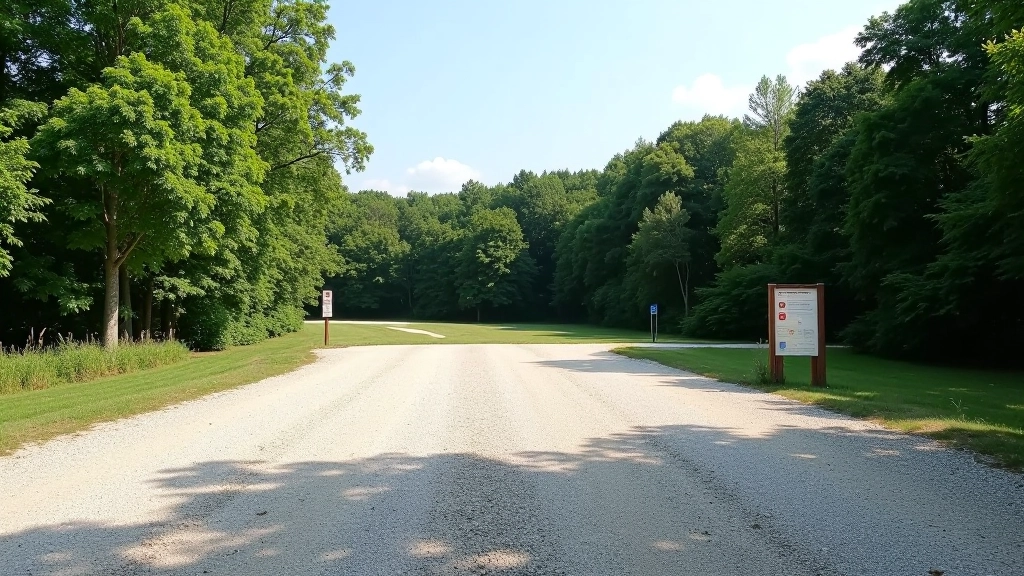
There are three main parking areas serving the trails. The primary lot near Jersika Hillfort has 24 spaces — that's usually enough, but it does fill up on weekends and holidays. There's also overflow parking about 200 meters away if the main lot is full. Don't worry, it's still walking distance and the path is well-marked.
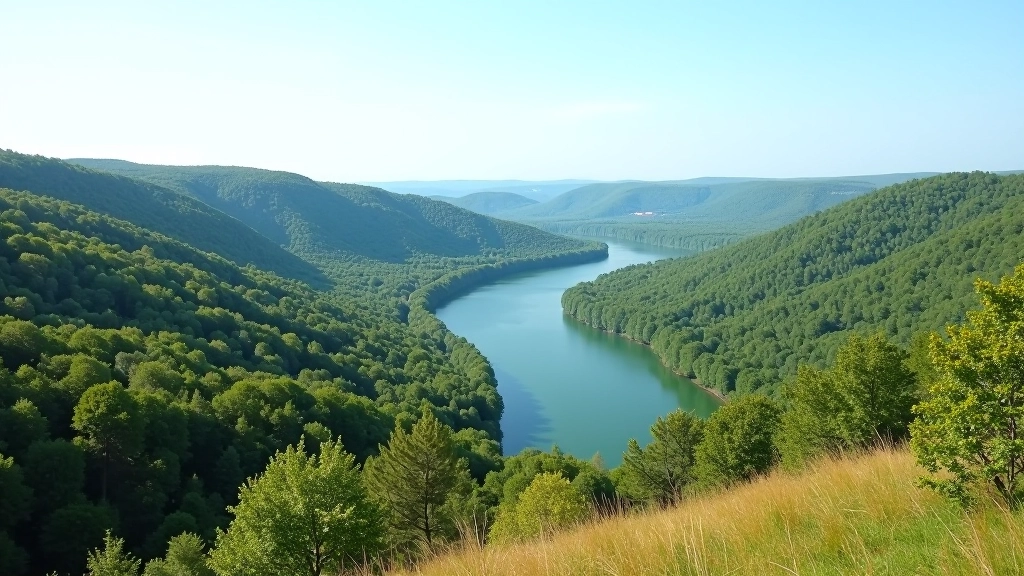
The Daugava Bend viewpoint has its own smaller lot with 12 spaces. This one fills less frequently, so if you're flexible with your route, it's worth checking first. All parking is free and available year-round. There's no reservation system — it's first-come, first-served.
Pro Tip
Arrive before 9 AM on weekends if you want guaranteed parking. Mid-week mornings are rarely crowded. Winter months (November-March) see much lighter traffic overall.
Restroom and Facility Access
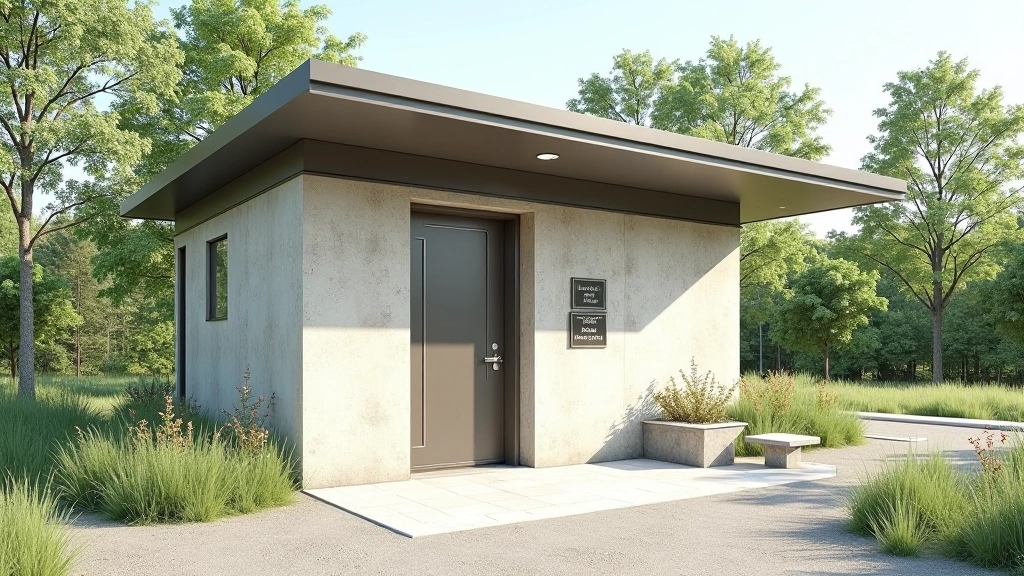
Here's what you need to know: restroom facilities are available at both main trail heads. The Jersika Hillfort site has a permanent facility open April through October. During winter months, it's closed, so plan accordingly. The Daugava Bend viewpoint has a smaller facility available year-round, though it operates on limited hours (7 AM - 6 PM in winter, 7 AM - 8 PM in summer).
Both facilities meet accessibility standards. They're equipped with grab bars, spacious stalls, and level entrances. If you're visiting November through March, bring what you need or use facilities in nearby Līvāni before heading out.
Drinking water fountains at both main parking areas
Picnic tables and benches spaced throughout trails
Waste receptacles at all major rest points
Information kiosks with trail maps and safety guidelines
Trail Conditions and Terrain
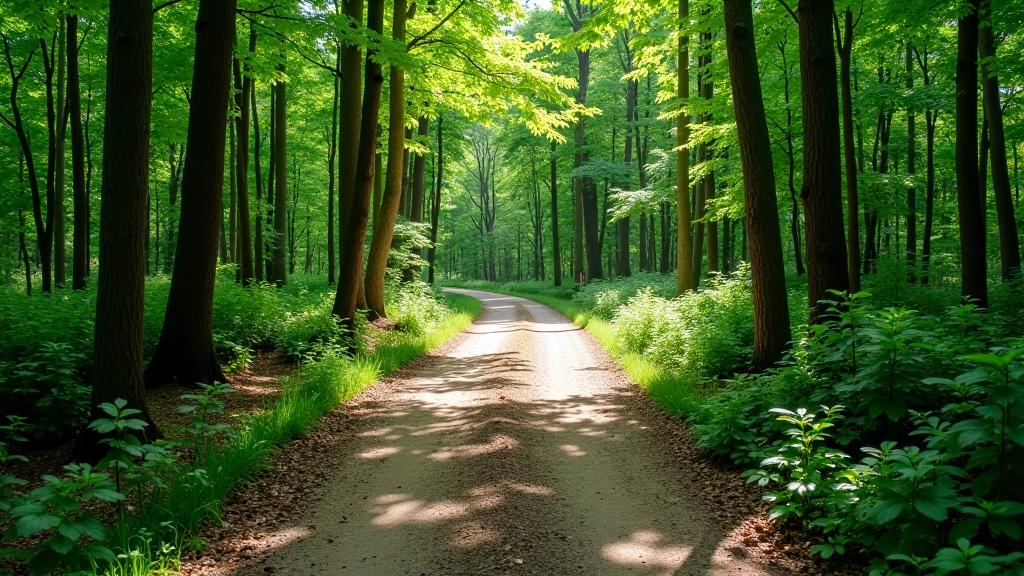
The terrain varies depending on which trail you choose. The main route to Jersika Hillfort is moderate — not flat, but not extreme either. You're looking at approximately 200 meters of elevation gain over 2.5 kilometers. The paths are mostly packed earth with some gravel sections. In wet weather, parts can get muddy, so waterproof boots are recommended.
The Daugava Bend route is slightly less strenuous at around 150 meters elevation gain over 2 kilometers. It's wider in places, making it more accessible for those with mobility concerns. Both trails are clearly marked with painted blazes on trees.
Important:
During spring (April-May), some sections can be waterlogged. Summer is ideal. Fall brings beautiful foliage but wet leaves can make roots slippery. Winter requires proper footwear — trails aren't cleared of snow regularly.
Accessibility Features and Considerations
We're committed to making these trails welcoming for everyone. Here's what's been implemented:
Wheelchair Access
The first 500 meters of the Daugava Bend route are wheelchair accessible with a paved surface and gentle gradients.
Rest Areas
Benches positioned every 400-500 meters. They're sturdy, have backrests, and aren't hidden — easy to spot.
Visual Markers
Color-coded blazes on trees (red for main route, blue for alternate). Helps with navigation and breaks up the visual monotony.
Digital Maps
QR codes at trailheads link to interactive maps with elevation profiles and real-time difficulty ratings.
Service Animals
Service animals are welcome on all trails. No special permits needed — just bring documentation if requested.
Shaded Routes
Most of the trail runs through forest, providing natural shade. Summer heat is rarely an issue here.
Please Note
This information is provided for educational purposes to help you plan your visit. Trail conditions can change seasonally and after severe weather. We recommend checking current conditions before your visit and consulting with local authorities if you have specific accessibility requirements. Always inform someone of your plans and carry appropriate safety gear. Consult with a healthcare provider before undertaking any new physical activity, especially if you have health concerns.
Ready to Explore
The practical details matter because they let you focus on what really matters — the experience itself. When you know where to park, where the restrooms are, and what the terrain looks like, you're free to enjoy the history, the views, and the fresh air without worrying about logistics.
These trails are designed to be accessible and welcoming. Whether you're visiting for your first time or you're a regular, having solid information helps you make the most of your day. Don't hesitate to reach out if you have specific questions — the local heritage office is always happy to help.

Related Articles