

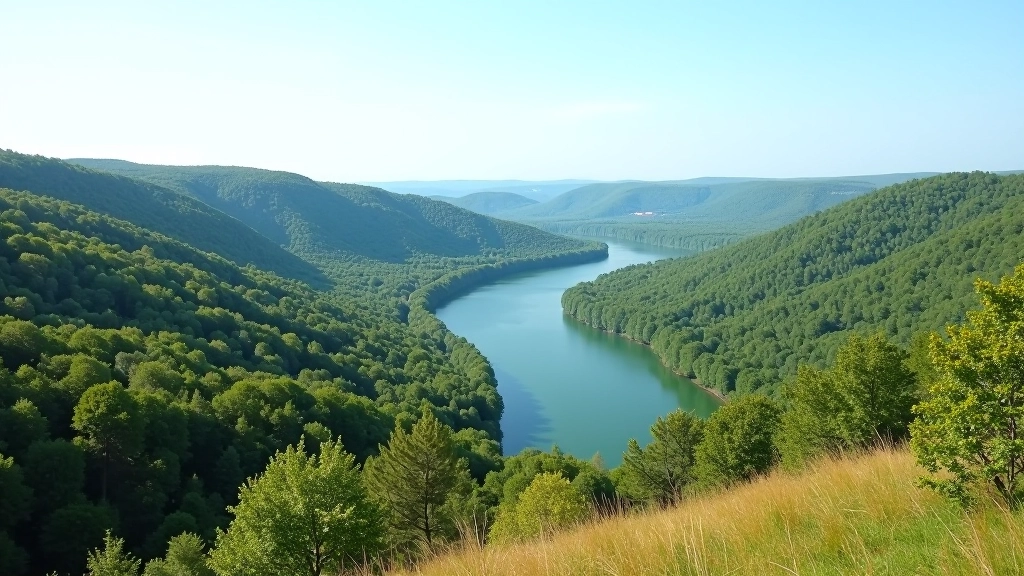
Daugava Bend Viewpoints: Best Times to Visit
Seasonal highlights and optimal weather conditions for the most dramatic landscape views
Why Timing Matters at Daugava Bend
The Daugava River's dramatic meander near Līvāni isn't the same view twice. Weather, light, and season completely transform what you see from the viewpoint. We've spent years observing this landscape at different times, and we're sharing what we've learned so you'll see it at its best.
It's not complicated. Spring brings wildflowers and swollen water. Autumn offers crisp air and rich colors. Summer's green but can be hazy. Winter's stark and quiet. Each season tells a different story about this ancient landscape.
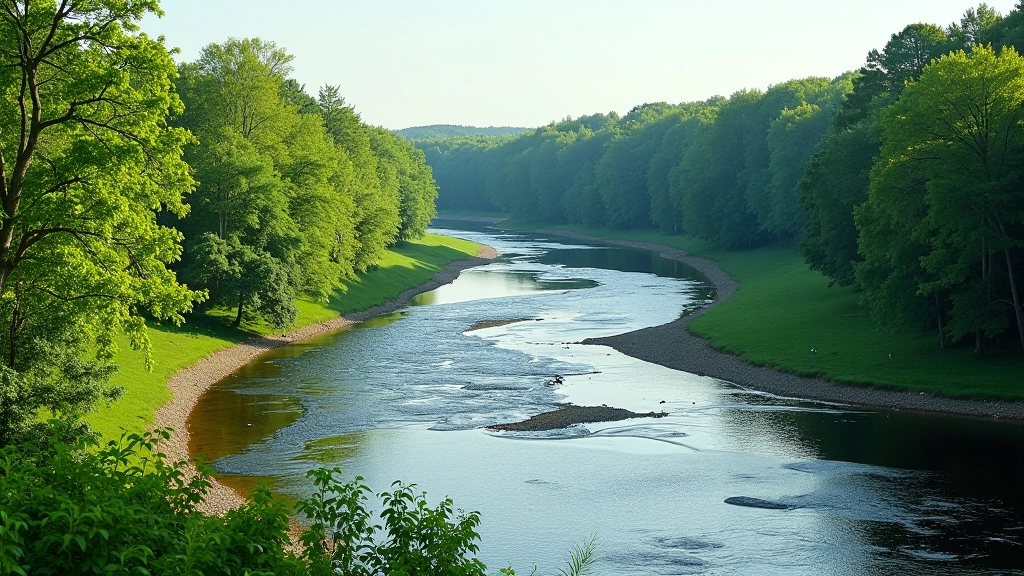
The Four Seasons
What You'll Experience Throughout the Year
Spring (April–May)
The Daugava runs high with snowmelt, and the water's energy is visible from the viewpoint. Dandelions and buttercups cover the banks. Early mornings are misty — perfect for photography if you don't mind a 6 a.m. start. Midday light can be harsh though. We'd recommend coming in late afternoon when the light softens.
- Best time: 4–6 p.m.
- Weather: Unpredictable, bring layers
- Photography: Golden hour is essential
Summer (June–August)
Everything's green and lush. The viewpoint's in full shade by mid-morning because of the trees. Afternoon humidity can make distant views hazy — you won't see as far. Early morning's actually better in summer. Plus, it's the busiest season. If you want solitude, come on a weekday morning before 9 a.m.
- Best time: 6–8 a.m.
- Weather: Warm, occasional rain
- Photography: Bring polarizing filter for glare
Autumn (September–October)
This is the magic season here. Trees turn gold and red. The air's crisp and clear — visibility is excellent. Light's softer than summer. Water levels drop slightly, revealing riverbank details. September's still warm enough for comfortable standing. October can get cold quickly. We've seen photographers come from across Europe for October light at this viewpoint.
- Best time: 10 a.m.–4 p.m.
- Weather: Crisp and clear
- Photography: Exceptional color and light
Winter (November–March)
The landscape strips down to its bones. Trees are bare, so you see far. On clear days the view's stunning. But it's cold — and we mean cold. The viewpoint gets icy. On overcast days (which is frequent), fog rolls in and you see nothing. If you come, pick a clear-weather day and dress warmly. You won't regret it though. Few people visit, and there's something profound about standing there alone in winter silence.
- Best time: Midday when warmest
- Weather: Cold, often overcast
- Photography: Stark and dramatic when clear
Photography Tips for Different Seasons
You don't need fancy equipment. A smartphone works fine if the light's good. But understanding light at different times helps you capture what you actually see.
Golden Hour Shooting
The hour before sunset produces warm, directional light that brings out texture in the landscape. Shadows become pronounced. In spring and autumn, this happens around 4–6 p.m. In summer, it's 7–8 p.m. The light changes quickly — if you're there, have your camera ready. You've got maybe 30 minutes of truly excellent light.
Midday Challenges
Direct overhead sun washes out colors and creates harsh shadows. It's why photographers avoid midday. But if you must shoot then, try using your phone's HDR mode or expose for the sky and let the foreground go darker. The river itself can become a mirror at midday, which can actually work well if you're intentional about it.
Overcast Conditions
On cloudy days, colors become muted but consistent across the whole scene. You won't get dramatic shadows, but you'll get better detail everywhere. Overcast skies are actually ideal for capturing the landscape's true colors without harsh contrast. Don't skip it just because it's cloudy.
Planning Your Visit
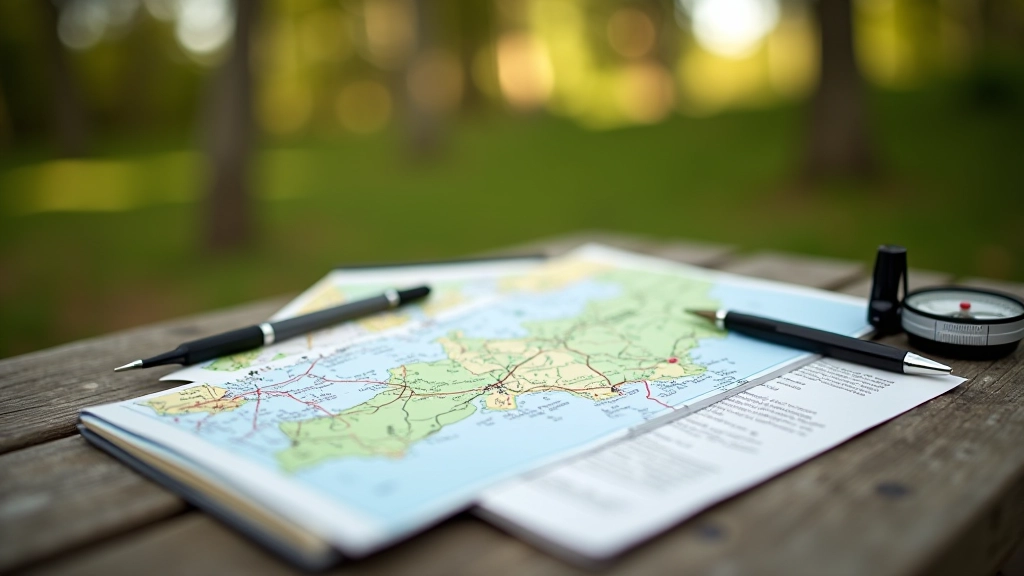
Here's what we recommend: Check the weather forecast first. Don't visit on a day when fog or heavy rain is expected — you'll literally see nothing. Pick a season that appeals to you, then pick the best day in that season.
1
Choose Your Season
Each offers something different. Autumn's safest for reliable beautiful views. Spring and summer are busier. Winter requires clear-weather planning.
2
Check Weather 3 Days Out
Look for clear skies and moderate temperatures. Avoid rain forecasts. Wind doesn't really matter at a stationary viewpoint.
3
Plan Your Timing
Arrive 15 minutes before your target time. Light changes fast. Don't rush — bring a book or just sit. The view's worth your time.
4
Dress Appropriately
You're standing outside for 30+ minutes. Layers are essential. Even in summer, bring a light jacket — it's cooler at the viewpoint than in town.

About This Guide
This article provides educational information about visiting the Daugava Bend viewpoint at different times of year. Weather conditions, accessibility, and site conditions vary. Always check current local conditions before visiting. The viewpoint is publicly accessible, but respect private property and follow local guidelines. Photography timing and technique recommendations are based on typical conditions and personal observation — results vary based on specific date and weather.
The View Changes, But It's Always Worth Seeing
The Daugava Bend isn't a one-time visit kind of place. It's somewhere you come back to in different seasons, at different times of day, and each time you'll see something different. That's what makes it special. Spring's chaos becomes autumn's calm. Summer's green becomes winter's clarity. You're not just seeing a landscape — you're watching how light and weather and seasons reshape what we see.
Pick a season that calls to you. Check the forecast. Go stand there and look. You don't need to understand the history or the geology or why it matters. Just being there is enough. The view will tell you why it's worth your time.
Explore All Trails