Jersika Hillfort: History and What You'll See
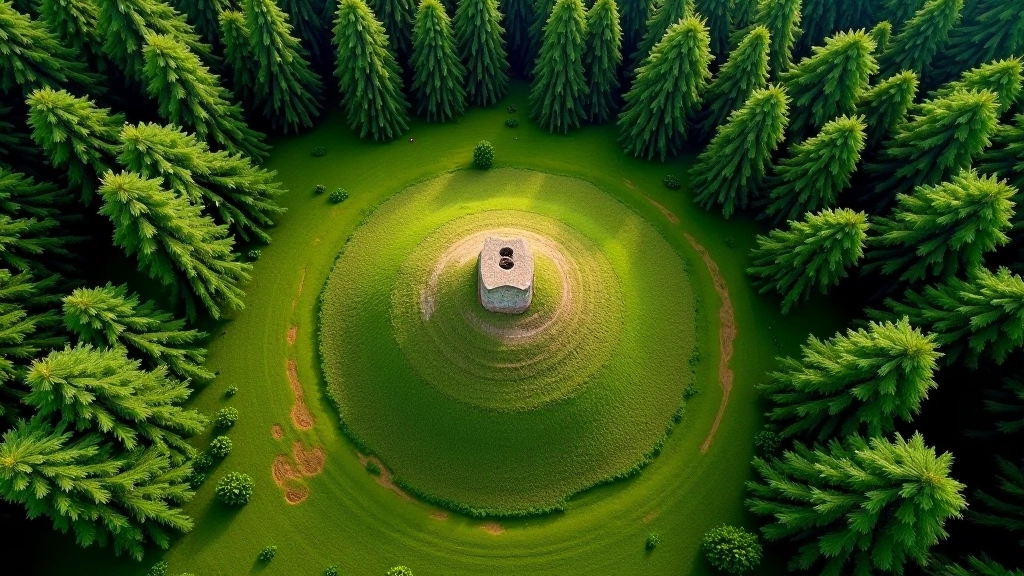
Archaeological details about the medieval fortification. Learn what shaped the landscape you're walking through.

Which routes work best for different fitness levels. Tips for pacing and what to bring for a comfortable day outdoors.
The trails around Jersika and the Daugava Bend aren't one-size-fits-all. We've got routes for people just getting back into walking after years of being inactive, and we've got challenges for folks who hike regularly. The key is knowing what you're getting into before you lace up your boots.
Most people overthink this. You don't need fancy gear or months of training. What you do need is honesty about your current fitness level and a realistic sense of how long you want to be out there. We'll walk you through it.
If you're not sure whether you can handle a full afternoon on your feet, start here. The shorter loops around the Jersika Hillfort area are genuinely beautiful without being brutal. You're looking at 45 minutes to an hour, which means you can get out, breathe some fresh air, and be back at your car without overdoing it.
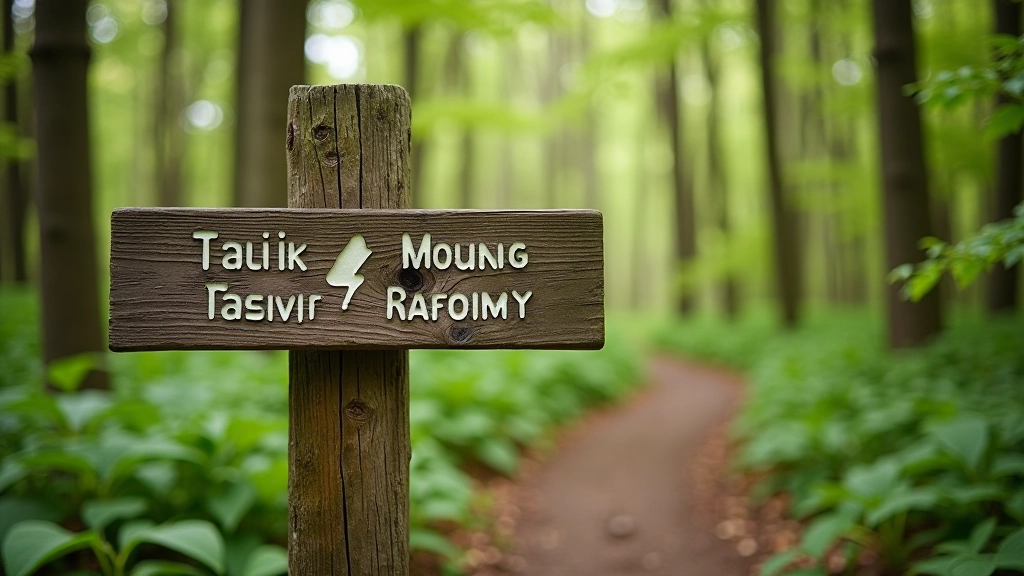
These routes are mostly flat or gently rolling. There's one small climb near the historical marker, but nothing steep. The paths are well-maintained and clearly marked. You'll pass through quiet forest sections with occasional views across the valley.
People returning to regular walking, those with joint concerns, anyone wanting a gentle introduction to the area, or folks who just have an hour to spare on a weekend.
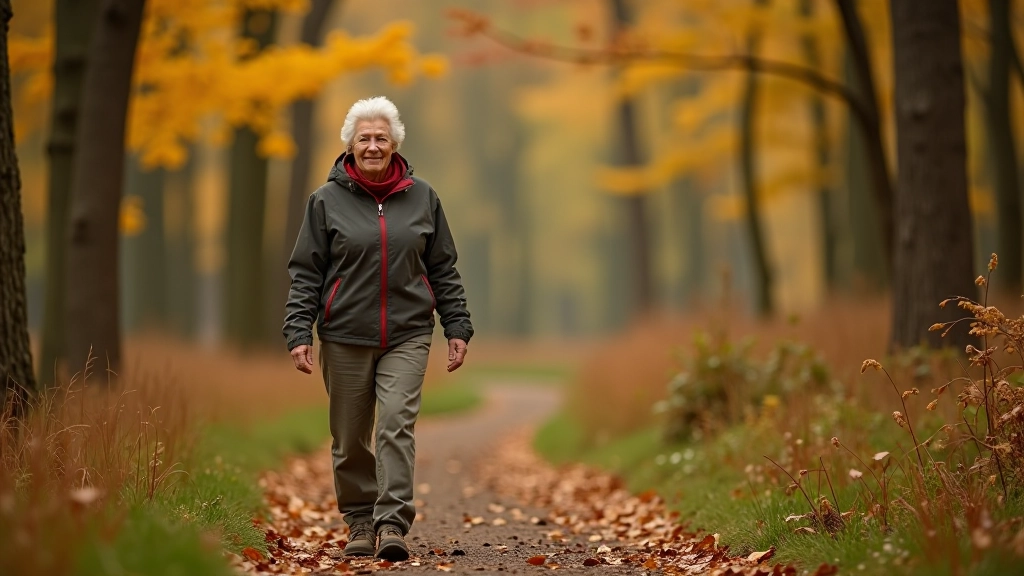
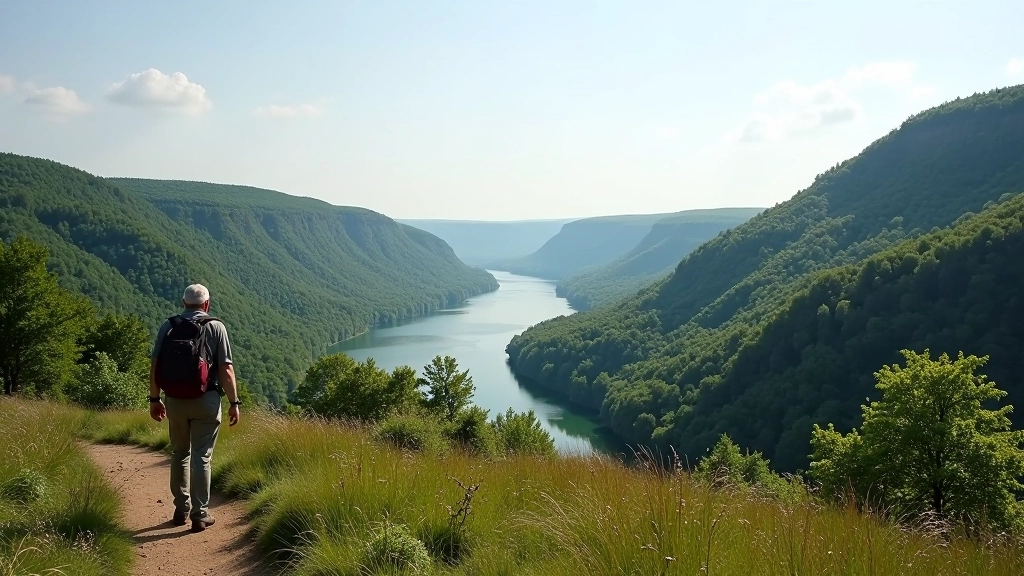
This is where most people find their rhythm. A 90-minute walk gives you time to really settle in without exhausting yourself. You're getting meaningful exercise — your heart rate will be up, you'll feel it — but it's not a death march. The Daugava Bend viewpoint trails fall into this category, and they're absolutely worth the effort.
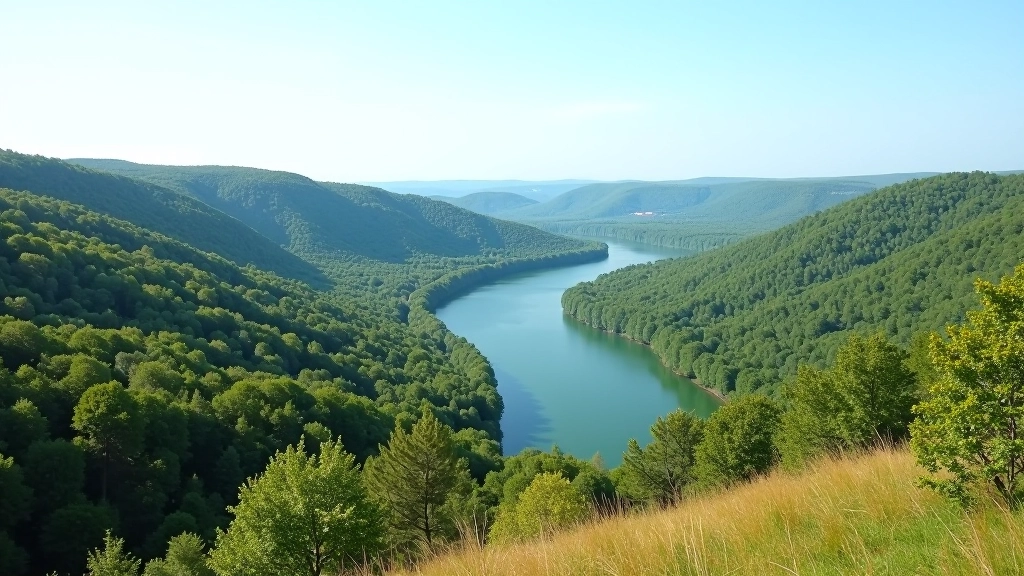
These routes have some elevation changes. Not mountains, but enough that you'll notice your legs working on the way up. There are rest spots at good viewing points where you can catch your breath and take in the landscape. The payoff is real views — not just trees, but actual vistas across the river valley.
Realistic pacing: Plan on 25-30 minutes per kilometer, which accounts for terrain and photo stops. Don't rush.
This article is informational guidance for trail selection and preparation. Every person's fitness level and capabilities are different. If you have health concerns, joint issues, or haven't exercised regularly, it's sensible to talk with your doctor before starting a hiking routine. Trail conditions change with weather and seasons — check local conditions before heading out. Bring water, wear appropriate footwear, and let someone know where you're going.
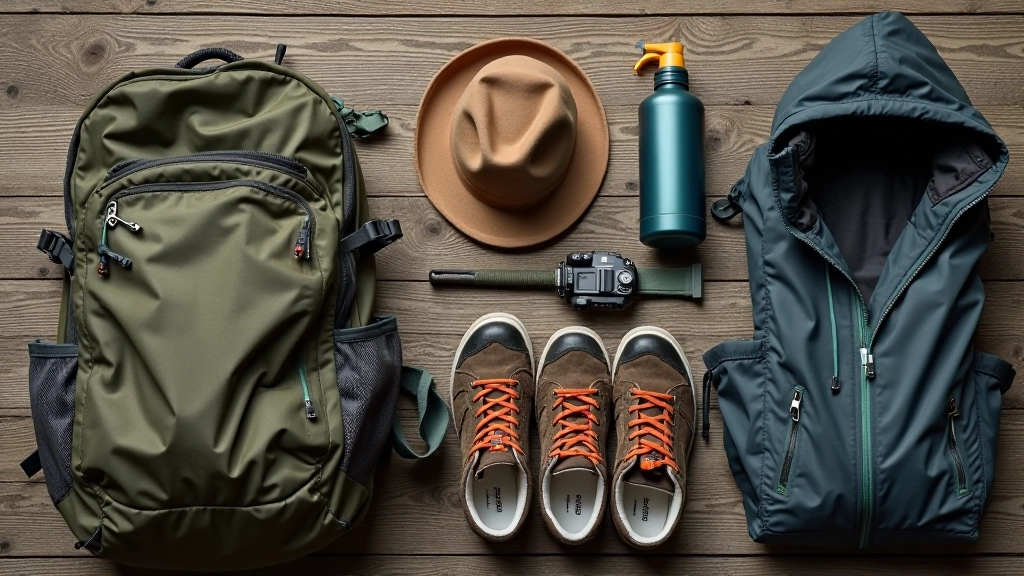
You don't need much, but what you bring matters. Most people overpack. Here's what you actually need for a comfortable few hours on the trail:
At least 500ml for a short loop, 1 liter for the longer routes. Don't skip this. Dehydration makes everything harder.
Proper hiking boots or trail shoes with ankle support. The trails aren't rock scrambles, but uneven ground is common. Your ankles will thank you.
Weather changes fast. Bring a lightweight jacket even if it's sunny. June mornings can be cool, and you'll warm up once you're moving.
Sunscreen and a hat. You're exposed to the sun for hours, and the UV reflection off the water near Daugava is real.
Don't just show up and wing it. Spend 10 minutes looking at the route online before you drive out. Most trails have maps available, and you'll want to know roughly where the elevation changes happen and where rest points are located.
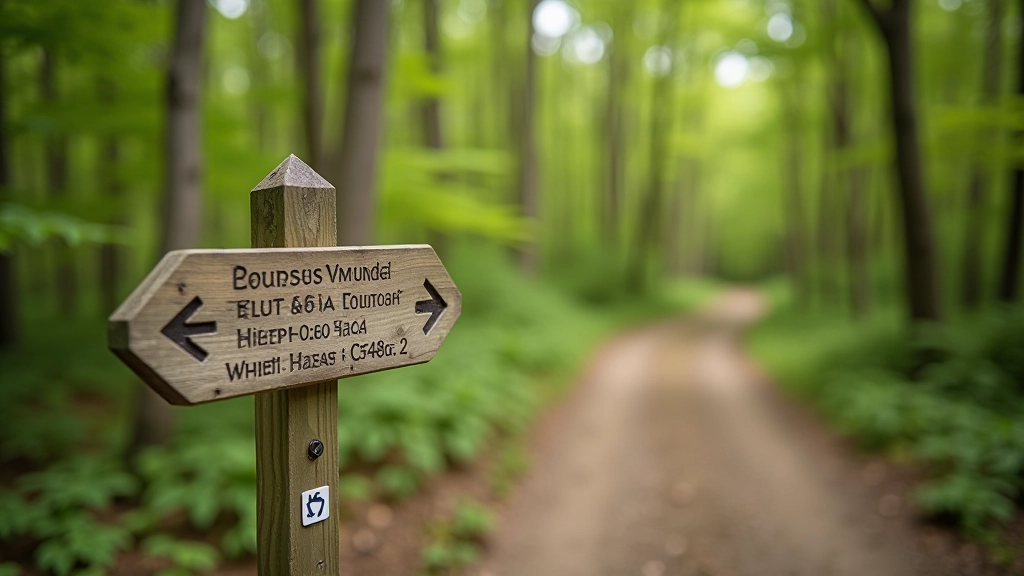
The Daugava Bend area has good signage, but it's not foolproof. Download a map or use your phone's map app to track where you are. Cell service can be spotty in some forest sections, so it's worth doing this prep work before you leave home.
Talk to the staff at local information centers if you're unsure. They'll give you real feedback about current conditions. "Moderate" means different things to different people, and locals can tell you whether a route matches your fitness level.
Choosing the right trail is the difference between a great day outdoors and a miserable experience you won't repeat. Be honest about what you can handle, start with the shorter routes if you're uncertain, and build from there. The beautiful thing about these trails is they're not going anywhere. You can come back and try longer routes once you've got a feel for what you're capable of.
Most people are surprised how much they enjoy being out there once they're on the path. Fresh air, real scenery, and the quiet satisfaction of a walk well done — that's what these trails offer. Pick your starting point, pack your water, and go enjoy it.
Ready to explore further? Check out specific trail details and accessibility information.
Learn About Trail Accessibility